
Low Water Pressure?
Complete Guide to Causes, Fixes & Boosting Solutions
From free DIY fixes to professional solutions. A plumber’s honest guide to why your water pressure is low and what you can actually do about it.
What Is Water Pressure?

Water pressure is the force that pushes water through your pipes and out of your taps. It’s measured in bar (1 bar = the force of 10 metres of water above you).
In the UK, your water company is legally required to provide a minimum of 1 bar of static pressure at your property boundary. Most homes receive between 1 and 4 bar, depending on location, elevation, and distance from the water main.
Contact water company - they must fix this
May benefit from booster pump
No booster needed
Signs Your Water Pressure Is Low
Recognise any of these? You likely have a water pressure problem

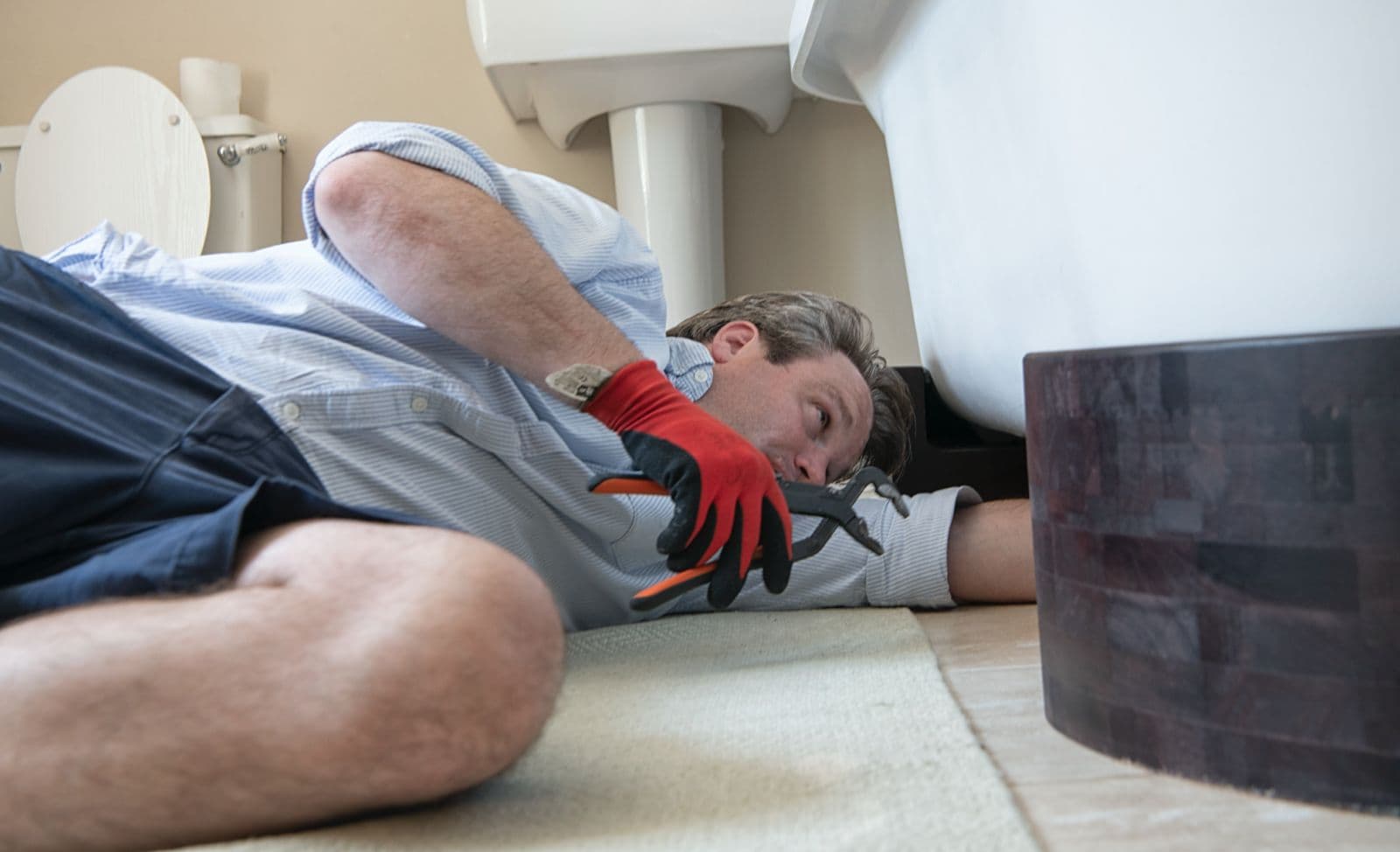


Weak Shower
Shower barely dribbles, takes forever to rinse shampoo out
Slow-Filling Bath
Bath takes 30+ minutes to fill to a reasonable level
Appliance Problems
Dishwasher or washing machine not filling properly or showing error codes
Taps Dribbling
Kitchen or bathroom taps producing a thin, weak stream
Upper Floor Issues
Upstairs taps noticeably weaker than ground floor
Peak Time Drop
Pressure fine early morning but drops significantly evenings and weekends
Why Is My Water Pressure Low?
8 common causes of low water pressure in UK homes

1. Distance from Water Main
CommonThe further your home is from the water main in the street, the lower your pressure will be. Rural properties in villages like Great Bedwyn, Ramsbury, or Upper Clatford often have long supply runs.
Fix: Booster pump

2. Height & Elevation
CommonHilltop properties and upper-floor flats naturally receive lower pressure. Water has to work against gravity. Properties in areas like Tidworth (SP9) on higher ground can be particularly affected.
Fix: Booster pump

3. Small or Old Supply Pipe
Very CommonMany older homes in Andover and Marlborough still have 15mm lead supply pipes from the boundary to the house. Modern standards require 25mm minimum. A narrow pipe restricts flow dramatically.
Fix: Pipe replacement + booster pump

4. Shared Supply with Neighbours
ModerateSome older properties share a supply pipe with neighbouring homes. When they use water, your pressure drops. Common in terraced houses and converted properties across Andover, Marlborough and Hungerford.
Fix: Separate supply (water company) + booster pump
5. Peak Demand Times
CommonWater pressure drops across the network during peak usage - typically 6-9am and 5-8pm. If your pressure is borderline, you'll notice it most during these times.
Fix: Booster pump (or accumulator vessel)

6. Internal Plumbing Issues
CommonPartially closed stopcock, blocked inline filters, corroded internal pipework, or faulty pressure reducing valves (PRVs). These are the free fixes you should check first!
Fix: Free fix (DIY or plumber)
7. Water Company Supply Issues
OccasionalSometimes the problem is on the water company's side. They're required to provide minimum 1 bar at your boundary. If they're failing this, they must fix it. Southern Water and Thames Water serve our area.
Fix: Contact water company (free)

8. Leaks in the System
Less CommonUnderground leaks between the boundary and your home waste water and reduce pressure. Signs include a constantly running meter, damp patches in the garden, or unexplained high water bills.
Fix: Leak repair (plumber)
How to Test Your Water Pressure
Three simple DIY tests you can do right now


The 1-Litre Jug Test
What you need: 1-litre measuring jug, stopwatch
Method: Turn cold kitchen tap on full. Time how long it takes to fill 1 litre.
Results:
- Under 6 seconds = Good flow (10+ L/min)
- 6-10 seconds = Average (6-10 L/min)
- Over 10 seconds = Low flow (<6 L/min)
Pressure Gauge Test
What you need: Water pressure gauge (~£10 from Screwfix/Amazon)
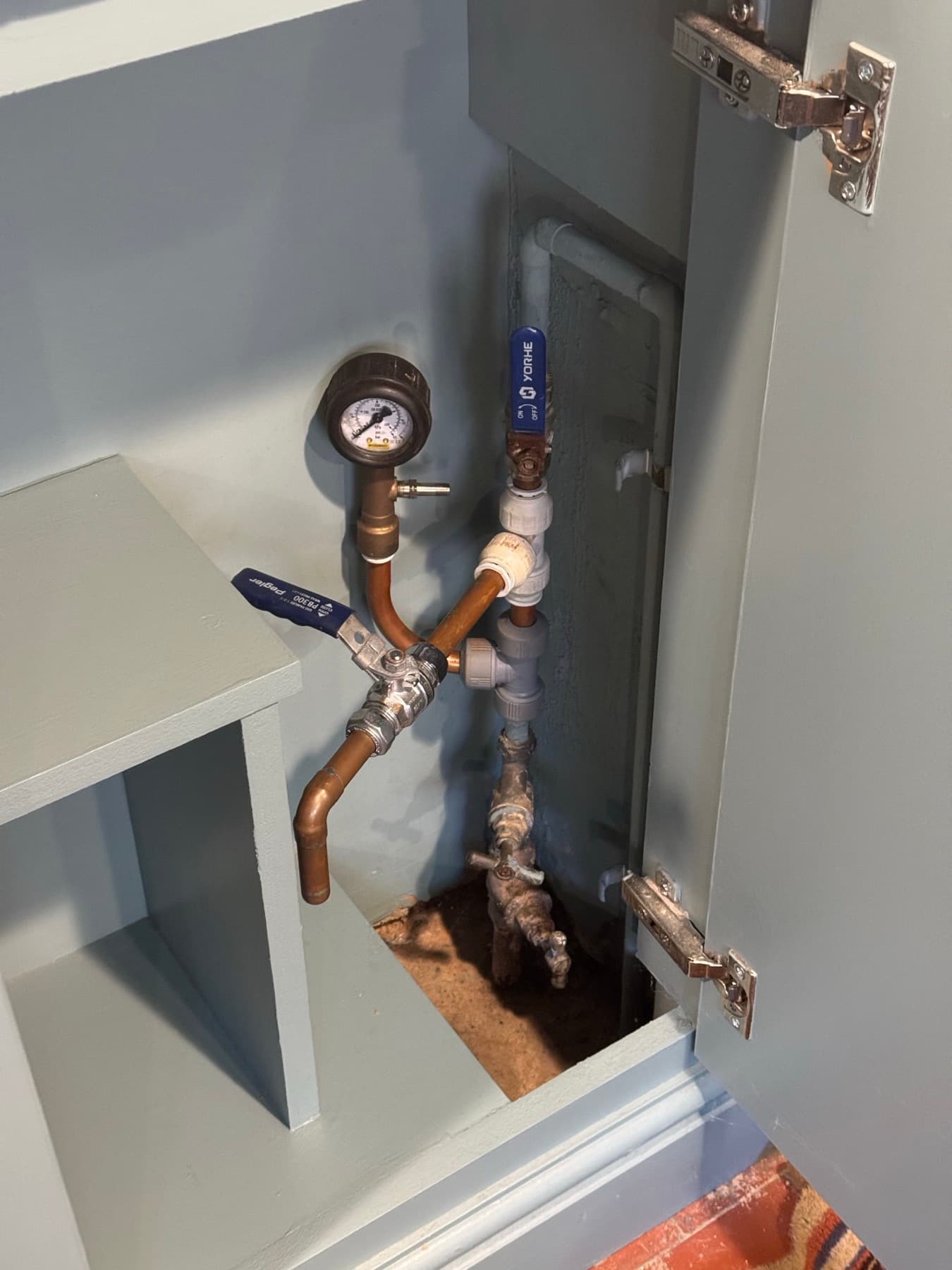
Method: Screw gauge onto an outside tap or washing machine valve. Ensure all other taps are off. Read the pressure.
Results:
- Under 1 bar = Below minimum standard
- 1-2 bar = Low (may benefit from booster)
- 2-4 bar = Normal to good
- Over 4 bar = High (may need PRV)
Multi-Outlet Test
What you need: A helper, both taps and a shower
Method: Turn on kitchen tap, bathroom tap, and shower simultaneously. If any drop to a trickle, your supply can’t cope with demand.
What it tells you:
- All fine = Adequate supply
- Some drop off = Borderline supply
- Major drops = Insufficient supply
Free Fixes to Try Before Buying a Pump
Always try these first — you might solve the problem without spending a penny

Check Your Stopcock Is Fully Open
The internal stopcock (usually under the kitchen sink) controls flow into your home. If it's partially closed, your pressure drops. Turn it fully anti-clockwise. If it's stiff or corroded, don't force it - call a plumber.
Clean Tap Aerators
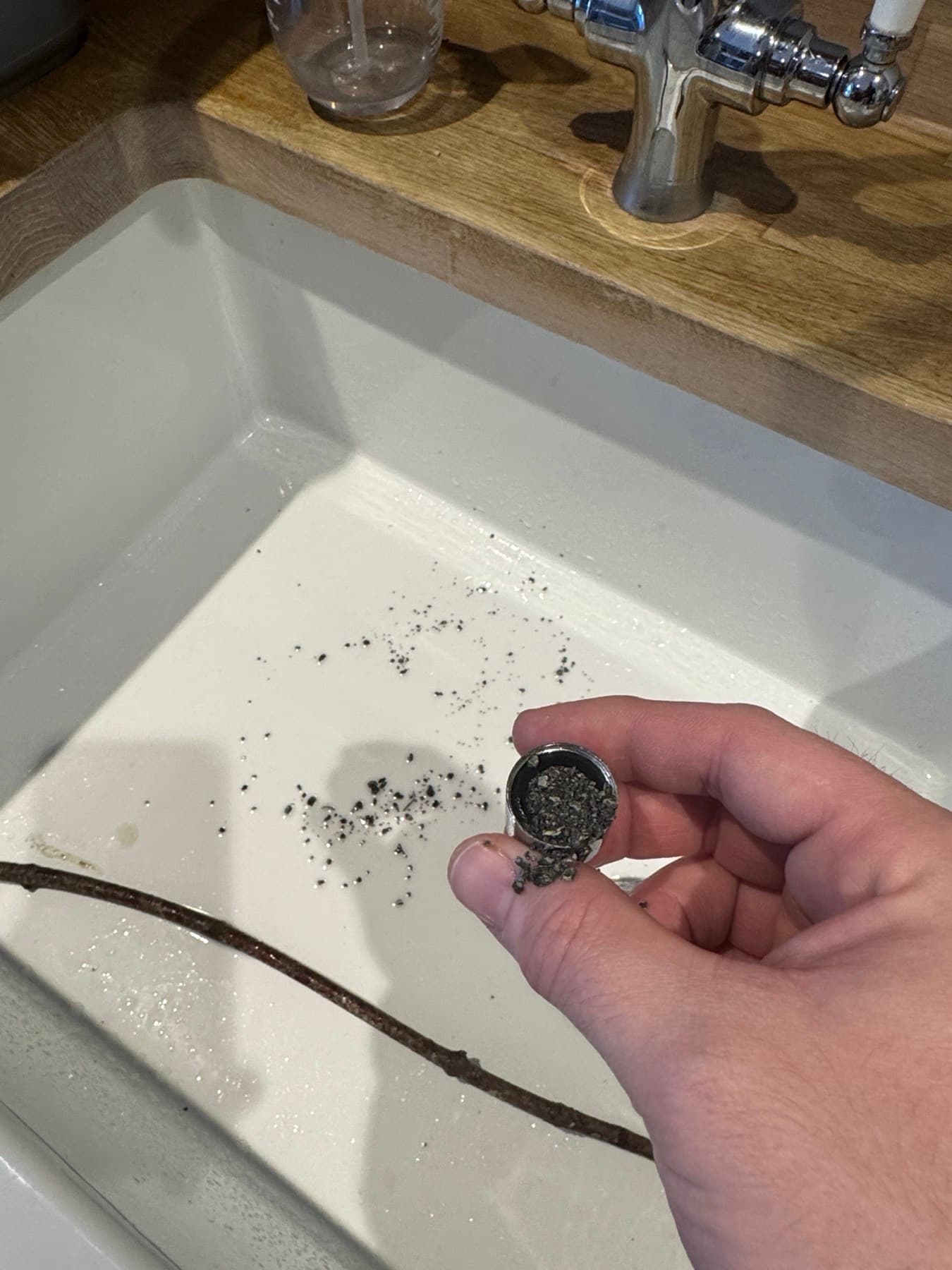
Unscrew the aerator (mesh filter) from the end of each tap. Soak in white vinegar for 30 minutes to dissolve limescale buildup. This is incredibly common in Hampshire's hard water area and can dramatically improve flow at individual taps.
Check for Visible Leaks
Look under sinks, around toilet cisterns, and in the loft for dripping pipes or joints. Turn off all taps and check your water meter - if it's still moving, you have a leak somewhere. Even a small drip wastes pressure.
Check Inline Filters
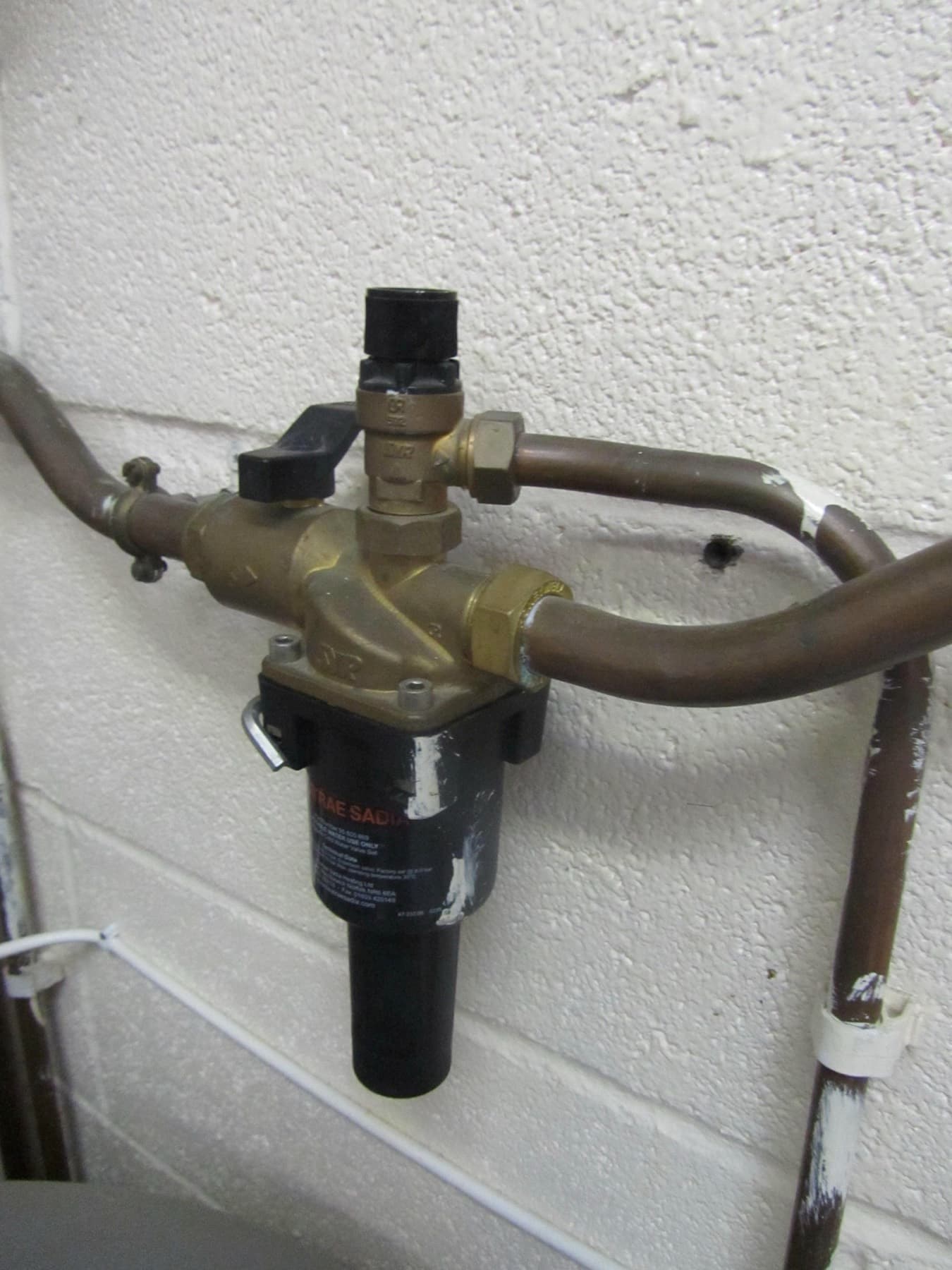
Some properties have inline filters on the mains supply (often before a combi boiler). These clog up with debris over time, especially after water company work in the street. Locate and clean or replace the filter cartridge.
Check Your Pressure Reducing Valve (PRV)
Many modern homes have a PRV on the incoming supply, usually near the stopcock. These can fail or be set too low. A working PRV should be set to 3-4 bar. If it's stuck at 1 bar, it needs replacing (a plumber job, typically £150-£250).
Contact Your Water Company
If none of the above helps, contact Southern Water or Thames Water (depending on your area). They must provide minimum 1 bar at your boundary stop tap. Request a pressure test. If they're below the minimum, they must fix it at no cost to you.
UK Water Pressure Regulations: Your Rights
What your water company is legally required to provide

Ofwat Guaranteed Standards
Under the Water Industry Act 1991 and Ofwat’s Guaranteed Standards Scheme (GSS), your water company must maintain:
- Minimum 1 bar static pressure at the external stop tap (your property boundary)
- Minimum 9 litres per minute flow at your internal stop tap for a single property
- Reasonable response times to pressure complaints and supply interruptions
How to Complain
- 1.Contact your water company directly (Southern Water: 0330 303 0368 / Thames Water: 0800 316 9800)
- 2.Request a pressure test at your boundary stop tap
- 3.If below 1 bar, they must investigate and resolve
- 4.If unresolved, escalate to CCW (Consumer Council for Water)
Compensation Rights
Under the Guaranteed Standards Scheme, you may be entitled to compensation for:
- •Supply interruptions over 12 hours (unplanned) or 4 hours (planned)
- •Low pressure lasting over 1 hour on 2+ occasions in 28 days
- •Missed appointments or slow complaint handling
Compensation amounts are set by Ofwat and vary by incident type.
When You Actually Need a Booster Pump
After trying free fixes and checking with your water company
You Need a Booster Pump If:

Compact Inline Mains Boosters
Connect directly to your mains supply, boost up to 12 L/min. Fit under the kitchen sink. Best for 2-3 bed homes with moderate pressure issues.
Examples: Stuart Turner Mainsboost Flomate, Salamander HomeBoost
Price: £200–£575 (pump only)
Best for: Most homes with low mains pressure

Break Tank + Pump Systems
A storage tank fills from the mains, and the pump draws from the tank. Required for flows over 12 L/min. Needs space in a garage or utility room. The size of a washing machine.
Examples: Grundfos SCALA2, DAB E.Sybox, Wilo Isar BOOST5
Price: £650–£1,300 (pump only)
Best for: Large homes (4+ beds) or very poor pressure
Single Outlet Boosters
Boosts water to one specific tap or appliance only. Very compact. Useful when just one outlet has a problem due to a long pipe run or specific blockage.
Examples: Salamander TapBoost
Price: £180–£240 (pump only)
Best for: One problematic tap or appliance
Accumulator Vessels
Not a pump - a pressurised tank that stores water at mains pressure and releases it when demand spikes. Smooths out fluctuations without any noise or electricity.
Examples: Flamco Flexcon, Zilmet
Price: £100–£300 (vessel only)
Best for: Pressure fluctuations during peak times
Want detailed reviews with specs, pros, cons and professional verdicts?
Read Our Full Booster Pump ReviewsAndover, Marlborough & Hungerford: Local Pressure Issues
What we see in the Hampshire, Wiltshire & Berkshire borders area


Local Water Supply
Our area is primarily served by Southern Water (Andover SP10/SP11, Stockbridge SO20) and Thames Water (Marlborough SN8, Hungerford RG17). Water is sourced from chalk aquifers, which means it’s very hard — great for mineral content, problematic for plumbing longevity.
Rural villages like Great Bedwyn, Ramsbury, Shalbourne, and Upper Clatford often have longer supply runs from the water main, which naturally reduces pressure. Properties at higher elevations in Tidworth (SP9), the Wallops, and Pewsey (SN9) are particularly susceptible.
Andover Area (SP10/SP11)
Generally good mains pressure in town. Villages like Upper Clatford, Appleshaw, and the Wallops often experience lower pressure due to distance from main supply lines.
Marlborough Area (SN8)
Varied pressure across the area. Ramsbury, Aldbourne, and Burbage can have low pressure. Properties on Marlborough’s higher ground also affected. Hard water a major factor.
Hungerford Area (RG17)
Hungerford town generally adequate. Kintbury, Inkpen, and surrounding villages on the Berkshire/Wiltshire border can experience reduced pressure, especially in summer.
Hard Water & Your Plumbing
The chalk geology across Andover, Marlborough, and Hungerford produces some of the hardest water in the UK. This causes limescale buildup inside pipes, reducing effective pipe diameter and lowering both pressure and flow over time. Older homes with original copper or lead pipework are most affected.
We always recommend considering water treatment alongside any booster pump installation. A scale inhibitor or water softener protects both your new pump and existing pipework.
How pressure and flow actually get checked
When to Call a Professional
Signs that DIY fixes won’t solve your pressure problem

Call a Plumber When:
- Free fixes haven't improved pressure
- Water company says their supply is fine
- Sudden pressure drop (may indicate burst pipe)
- Pressure changes when neighbours use water
- You suspect an underground leak
- Need to replace old lead or narrow pipes
- Want a booster pump installed properly
What a Plumber Will Check:
- Mains pressure at boundary with calibrated gauge
- Internal pressure at multiple points
- Flow rate at kitchen tap and other outlets
- Stopcock condition and operation
- Supply pipe size and material
- PRV function and settings
- System type and booster suitability
Frequently Asked Questions
Common questions about water pressure problems
QWhat's the difference between water pressure and water flow?
Pressure is the force pushing water through the pipes (measured in bar). Flow is the volume of water coming out (measured in litres per minute). You can have good pressure but poor flow if your pipes are narrow. And you can have good flow but poor pressure if the supply is high-volume but low-force. Most problems are actually flow issues disguised as pressure problems. A plumber can test both to determine the real cause.
QMy combi boiler shows low pressure - is this the same thing?
No! Combi boiler pressure (shown on the gauge, usually 1-2 bar) refers to the sealed central heating system pressure, not your mains water pressure. If your boiler gauge drops, you need to repressurise the heating system using the filling loop. This has nothing to do with your taps or shower pressure. If your shower is weak with a combi boiler, the problem is either low mains pressure (needs a booster) or the boiler's hot water output is limited.
QIs low water pressure dangerous?
Low pressure itself isn't dangerous, but it can indicate problems that are. A sudden pressure drop could signal a burst pipe. Consistently low pressure can prevent fire suppression sprinklers from working properly. Low pressure can also cause air locks in heating systems and prevent some safety devices from functioning. While not an emergency, persistent low pressure should be investigated.
QI'm renting - who's responsible for fixing low water pressure?
If the problem is with the water company supply (below minimum standards), the water company must fix it regardless of whether you rent or own. If the problem is internal plumbing (pipes, stopcock, PRV), your landlord is responsible for maintaining the property's plumbing to a reasonable standard. Document the issue, report it to your landlord in writing, and reference the Homes (Fitness for Human Habitation) Act 2018 if they don't act.
QWhat are the water company's obligations for pressure?
Under Ofwat regulations, your water company must provide a minimum of 1 bar static pressure at the boundary stop tap (the point where their pipe meets yours). This equates to roughly 10 metres head of water. If they consistently fail to meet this, you can request a pressure test and they must resolve it. You may also be entitled to compensation under the Guaranteed Standards Scheme (GSS). In our area, Southern Water and Thames Water are the main suppliers.
Still Got Low Water Pressure?
We’ll test your pressure, identify the cause, and recommend the right solution. Serving Andover (SP10/SP11), Marlborough (SN8), Hungerford (RG17) and surrounding villages. Professional assessment from £150 + VAT.
Related Articles
More helpful guides for your home

Best Water Booster Pumps UK 2026
9 mains booster pumps from 5 brands compared with detailed specs and professional verdicts.
Read Full Guide →
How to Choose the Right Booster Pump
Step-by-step decision guide based on your property type, system, and budget.
Read Full Guide →
Shower Pump Reviews UK 2026
For gravity-fed systems instead. Stuart Turner, Aqualisa, Salamander compared.
Read Full Guide →Tap dripping, stiff or seized?
Tap repairs and fitting from £150 + VAT
Cartridges and ceramic discs, a new mixer fitted, or a tap you have bought yourself. One plumber, price agreed before I start, twelve months on the work.